


Oil, What’s it Good For?
“We should look for someone to eat and drink with
before looking for something to eat and drink.”
- Epicurus
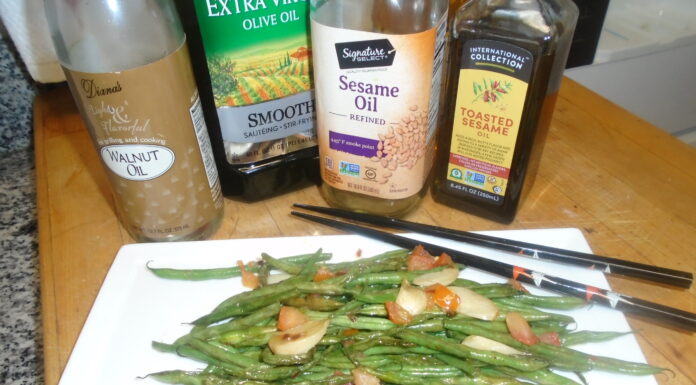
While reaching for the mundane bottle of vegetable oil in the market, my eye caught the label on the bottle of avocado oil. Now, I love avocados...
Watering 101
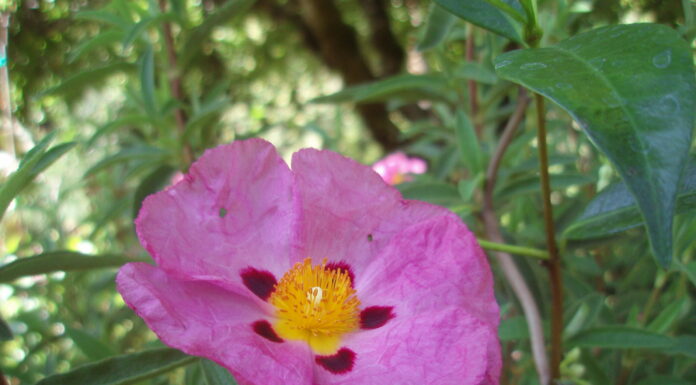
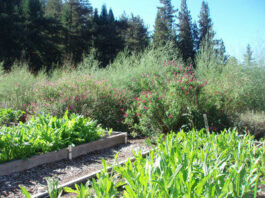
Is your garden starting to look a little bedraggled? After a few hot spells, have the plants in your yard gotten a taste of what’s to come for the rest of the summer? After your’ve chosen climate adapted plants how much water do they really need? Here’s how can you keep everything happy and not waste water. All plants need water- even those that are tolerant of our summer dry conditions. Water makes up 90-98% of every plant we grow. It's needed for photosynthesis, as well as reproduction and defense against pests. With summer water bills arriving this is a good time to re-visit how often and how much to water that landscape you’ve spent so much money to create. Basically, you’re wasting water if you’re not watering deep enough to moisten the entire root ball or if you’re irrigating too often. Photosynthesis is one of the most remarkable biochemical processes on earth and allows plants to use sunlight to make food from water and carbon dioxide. At temperatures about 104 degrees, however, the enzymes that carry out photosynthesis lose their shape and functionality. A garden that provides optimum light and water but gets too hot will be less vigorous. Plants have natural systems that respond to heat problems. Plants can cool themselves by pumping water out through the leaves for a kind of swamp cooler effect. They can also make “heat-shock” proteins which reduces problems from over heating. All these strategies can take resources away from a plant’s other needs like growth, flowering and fruiting. So how much water do different types of plants need during the heat of summer? Be sure that you water trees and shrubs deeply, checking soil moisture first with a trowel. Established small to medium shrubs should be watered when the top 3-6 inches of soil is dry. Water large shrubs and trees when the top 6-12 inches is dry. As a rule of thumb, trees and large shrubs need deep but infrequent waterings. They should be on a separate valve than your smaller shrubs and perennials. Water ornamental trees 1-3 times per month depending on the type and soil. Tree roots grow 12-36 inches deep and require 10 gallons of water per inch of trunk diameter. Apply water with a soaker hose, drip system emitters or hand held hose with shut off and soft spray attachment according to your water district’s restrictions. Don’t dig holes in the ground in an effort to water deeply. This dries out roots even more. Be sure to water the root zone to the indicated root depth every time you water. Watering deeper than the root zone only means you are wasting water. You can test how deep you watered by pushing a thin, smooth rod into the ground soon after you irrigate. The soil probe should easily slide through the wet soil but become difficult to push when reaching dry soil. The roots of smaller shrubs reach 12-24 inches deep in the soil. Established native shrubs may need only monthly waterings to keep them looking their best while other shrubs may need watering every 7-10 days during the heat of the summer. Perennial roots only go down 12 inches or so and may need watering once or twice a week depending on type. When is the best time to water? Watering in the morning is the most efficient whether you water by sprinkler, drip system, soaker hose or by hand because the water soaks deep in the soil without risk of evaporation. This bolsters the plant for the day and has dried from leaves by evening reducing the risk for foliar diseases like mildew. Plant roots are also more receptive to watering in the morning. Is it true that water droplets will scorch leaves in the midday sun? According to a study, fuzzy-leaved plants hold water droplets above the leaf surface and act as a magnifying glass to the light beaming through them so there is a very slight chance of scorch.The study also reported that water droplets on smooth leaves, such as maples, cannot cause leaf burn, regardless of the time of day. But no matter the time of day, a plant that needs water should get the right amount.
Off-Broadway show in Ben Lomond Nov. 18 – Dec. 11

Mountain Community Theater in Ben Lomond presents the acclaimed play Other Desert Cities by Jon Robin Baitz, directed by Peter Gelblum on stage at Ben Lomond’s Park Hall.
A lively discussion at BC’s “Death Cafe”
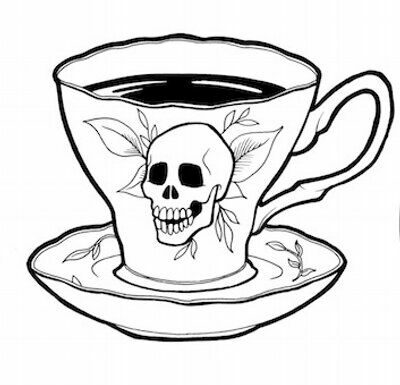
On a chilly Monday evening over a dozen people gather at a small venue in Boulder Creek. What brings this eclectic group of people together is a unique desire to educate themselves on what happens at the end of life.
Plain Talk About Food: Bell Peppers, you either Love ‘em or Hate ‘em
I cannot remember seeing a green bell pepper until I was married and buying food for my own dinner table. Even then, those shiny, green, unfamiliar peppers never made their way to my grocery cart.

Incumbent Greg Wimp and Monterey County transportation agency official Michael Zeller...
With 3,524 votes counted so far in the Scotts Valley City Council contest, the incumbent, Greg Wimp—the political body's newest member, was leading the...