
Many of us live under oaks or are surrounded by redwoods. We know the value of trees in the landscape. Trees shade us in the summer. We anticipate their showy blossoms in the spring and enjoy their beautiful colorful foliage in the fall. You can hang a hammock between two of them or tie a rope swing for the kids from a large branch.
Trees are our companions, but how can you create a garden under one of them with the Cal Fire regulations in mind? Here are a few general guidelines.
Low growing grounders are acceptable under trees if the lowest tree branches are at least 6 feet high and the plants are not continuous. This can reduce the chance of fire spreading from one plant to another. Small non-woody perennials can also be used if they’re well maintained and don’t create a continuous fuel bed. Don’t plant dense shrubs directly under tree branches, which would create ladder fuels and keep them separated from each other. Limb tree branches at least 3x higher than any shrubs.
Planting under a mature tree can be a challenge. You need to avoid damaging their roots and your new plants will need to cope with dry soil, shade, root competition and ever-changing moisture and light conditions. You want both your new plants and your tree to thrive.
Meet your tree’s needs first. Some trees are more agreeable than others about giving up some of their ground. You can still plant beneath trees that are sensitive to having their roots disturbed, but you’ll need to make a few concessions. When purchasing plants to grow under trees, think small. Small plants require a smaller planting hole and this will minimize disturbance to the roots. You may have to buy more plants. but you’ll have an easier time tucking them among the roots.
Don’t alter the grade of the soil around a tree or change the soil pH very much. Even adding a layer of soil that is more than 2 inches deep can reduce the amount of moisture and oxygen available to the tree and hinder gas exchange to existing roots, causing trees to suffer or even die.
Only the toughest plants have a chance of surviving among the surface roots of shallow rooted trees. Be careful when disturbing sugar maples, elms, cherries and plums, dogwoods, magnolias, pines and oaks. The majority of tree roots are small woody roots and fine hair roots that grow within the upper 12-18 inches of soil and extend far beyond the tree’s drip line. These roots are responsible for absorbing water and nutrients from the soil.
If you encounter a root larger than 1-1/2 to 2 inches in diameter while digging a hole for a plant, move the planting hole a few inches away to avoid slicing through the root. You will sever mats of small tree roots when digging, but they’ll regenerate fairly quickly.
To avoid wounding the bark, which may cause insect and disease problems, start planting at least 12 inches away from the trunk. Oaks shouldn’t have any plantings closer than 6-10 feet from the trunk and those should be drought tolerant. After planting, water to settle the soil and spread 2-3 inches of mulch to conserve moisture and keep weeds down. Be sure to keep mulch at least 12 inches away from the base of the tree. Mulch can hold moisture against a tree’s bark and cause rot and disease.
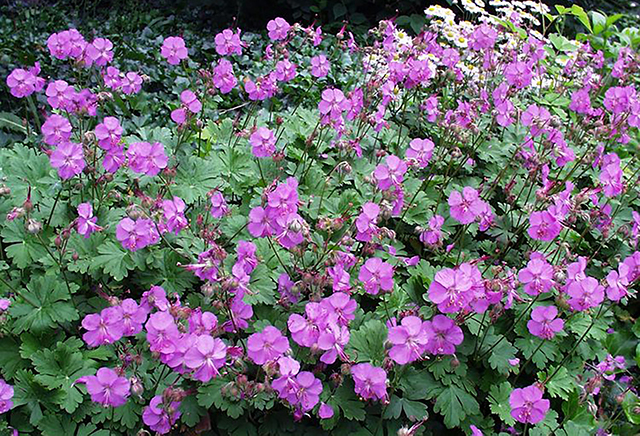
So what plants will transform your bare patch of hard earth and knobby roots into a shady nook? If you’re going for a lush look, consider hostas and ferns, paired with the hardy geraniums like Biokova or Carmina. Other good companions are astilbes with their feathery flower plumes and variegated euonymus fortunei with bergenia or digitalis mertonensis with liriope, lamium, vinca minor, hellebore or brunnera.
Trees with branches limbed high look good with small shrubs planted underneath. Red-leaf barberry can brighten up this spot and also provide fall color. Small nandinas like Harbor Dwarf make a good ground cover and their foliage takes on an orange-red color in winter. Fragrant sarcococca grows well in this situation, too.
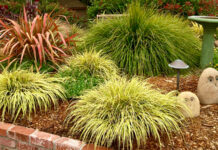
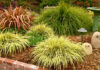
Low groundcovers make a simple statement under the crown of a tree. Ajuga, pachysandra and sweet woodruff all grow well here. Or you might like the look of the shade tolerant grass-like plant like carex morrowii “Evergold.” This stunning sedge makes a beautiful clump 1-2 feet high and 2-3 feet wide with dark green leaves and a central band of creamy white.
You can have a beautiful garden under a mature tree by following these tips.
Jan Nelson, a landscape designer and California-certified nursery professional, will answer questions about gardening in the Santa Cruz Mountains. Email her at ja******@*ol.com, or visit jannelsonlandscapedesign.com.